Your Condo, Your Stuff: Protecting Against Theft in California
Imagine coming home to your Ventura County condo after a long day, only to find the door jimmied, a window smashed, and your most treasured possessions gone. It’s a gut-wrenching thought. For many Californians, especially those in denser areas like the Valley or parts of the Inland Empire, the worry about theft isn’t just an abstract fear. It’s a real, unsettling possibility. You’ve got your HOA’s master policy, sure, but what does that actually do for *your* stolen laptop, your grandmother’s jewelry, or that expensive bike you keep in the living room? Not much, usually.
That’s where your personal condo insurance — often called an HO-6 policy — steps in. It’s designed to fill the gaps left by your HOA’s coverage, specifically protecting what’s inside your four walls and sometimes even a bit beyond. But here’s the thing: not all policies are created equal, especially when it comes to warding off the financial sting of a break-in.
What Your HO-6 Policy *Should* Cover for Theft
Your condo insurance policy is your first line of defense against property crime. At its core, it’s there to protect your personal belongings from theft, vandalism, and other covered perils. Think about everything you own: furniture, electronics, clothes, kitchenware. If someone busts into your place and walks off with it, your HO-6 policy is usually what pays to replace those items.
But wait — there’s a big difference in how policies pay out. Some offer “Actual Cash Value” (ACV), which means they’ll give you the depreciated value of your stolen item. That five-year-old TV? You’ll get what it’s worth *today*, not what it costs to buy a brand new one. Other policies, and these are often better, offer “Replacement Cost Value” (RCV). With RCV, the insurer pays what it actually costs to replace your stolen items with new ones of similar quality, without factoring in depreciation. This can be a huge difference when you’re trying to rebuild after a loss. Always check which one your policy offers. Honestly, if you can swing it, RCV is almost always the smarter choice.
That’s not the whole story. What if your condo building has a storage locker in the basement, and your expensive camping gear gets swiped from there? Most HO-6 policies extend some coverage to personal property stored away from your unit, but often with limits. What if your car gets broken into while parked in the condo garage, and they take your golf clubs? Sometimes, your condo policy will cover that, too, but it might be secondary to your auto policy’s coverage, or have its own specific limits. It’s messy, which is why a good agent really helps here.

Beyond the Basics: Enhancing Your Theft Protection
Your standard HO-6 policy is a good start, but some items need extra attention.
Scheduling Your Valuables
Do you own expensive jewelry, a collection of rare coins, fine art, or high-end cameras? These items often have specific limits on a standard policy. A typical policy might only pay out $1,000 for all your stolen jewelry, no matter how much it’s worth. If your engagement ring alone is worth $10,000, that’s a problem.
The solution? “Scheduling” these items. This means you list them individually on your policy, often with an appraisal, and pay a bit more to cover their full value. It’s like a VIP pass for your most precious things. When you schedule an item, it’s typically covered for more perils, sometimes even accidental loss — like if your diamond ring slips off your finger while you’re gardening in your small balcony space. This protection often comes with no deductible, a sweet bonus.
Identity Theft Coverage
Here’s where it gets interesting. Theft isn’t just about physical items anymore. If a burglar gets into your condo, they might take your laptop, but they could also get their hands on documents with your Social Security number, bank statements, or other personal data. Identity theft is a nightmare, and it can take hundreds of hours and thousands of dollars to fix. Many condo policies offer an add-on for identity theft coverage. This isn’t about replacing your stolen wallet; it’s about covering the costs of recovery, like legal fees, lost wages from time spent clearing your name, and even credit monitoring services. It’s a small premium for a massive peace of mind.
Security System Discounts
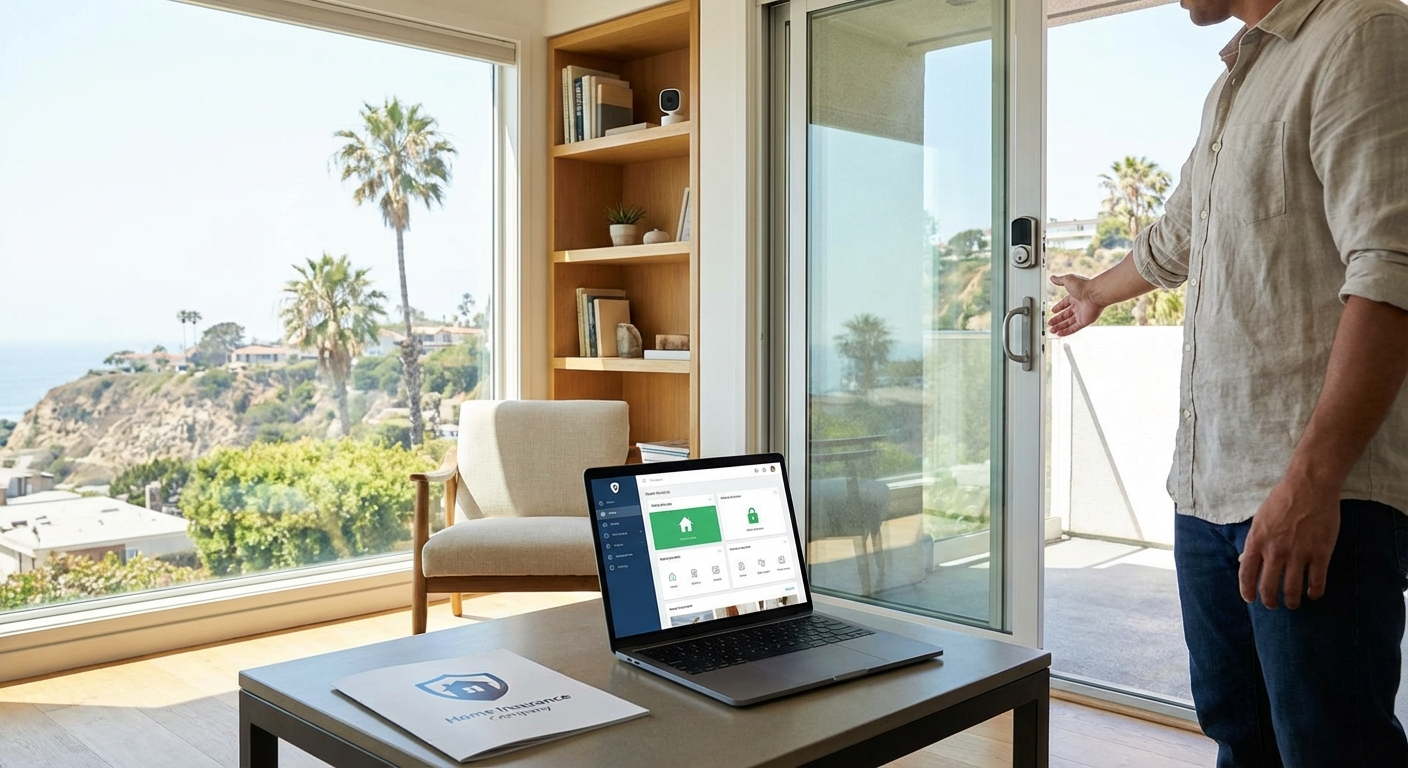
Good news for the proactive among us: installing certain security measures can actually save you money on your premiums. Insurers love it when you make their job easier. A monitored alarm system, deadbolts on all doors, even smart home devices like Ring cameras or SimpliSafe systems can qualify you for discounts. It makes sense, right? A harder target is less likely to be hit, meaning fewer claims for them to pay. Always tell your agent about any security upgrades you’ve made.
The California Reality: Why Theft is a Bigger Deal Here
Let’s be honest, living in California comes with its quirks. Our gorgeous weather and vibrant cities also attract a certain amount of crime. We’ve seen theft rates in some areas tick up. From brazen package thieves stalking delivery trucks in Orange County to more organized break-ins targeting specific neighborhoods in LA, it’s a constant concern.
Sometimes, it’s not even about a direct break-in to your unit. Think about storage units within your condo complex, or the surge in catalytic converter thefts that affects cars parked in shared garages. While your condo policy might not cover the car part itself (that’s auto insurance territory), if other personal items are stolen from inside the car, your HO-6 might be your recourse. The sheer density of our cities, from San Francisco to San Diego, means more opportunities for property crime, and condo complexes, despite their security gates, aren’t immune.
What Your Policy Probably *Doesn’t* Cover
Even the best HO-6 policy has its limits. Knowing these can prevent a nasty surprise later.
For example, if you have a roommate, their stuff typically isn’t covered by *your* policy unless you specifically add them as an “additional insured” or they get their own renter’s policy. Big difference. And if you’re running a small business out of your condo, your business inventory or equipment usually isn’t covered by your personal condo policy. That needs a separate business policy.
Also, don’t count on your policy to cover items you leave in common areas of your building, like a bike chained in the lobby (if allowed) or decorations outside your door. Those areas are usually considered part of the HOA’s responsibility, and your personal policy generally doesn’t extend there for theft.
Making a Claim: The Frustrating Bits
So, the worst happens. Your condo is broken into. Now what? Filing a claim can feel like a second invasion, but it’s essential.
First, you’ll need a police report. No report, no claim. Then, you’ll deal with your deductible. That’s the amount you pay out of pocket before your insurance kicks in. If your deductible is $1,000 and the stolen items are valued at $800, your insurer won’t pay anything. This is why small claims sometimes aren’t worth making.
Which brings up something most people miss. You’ll need proof of ownership and value. This means photos, videos, receipts, even credit card statements. Imagine trying to prove you owned a specific brand of watch or a particular piece of art without any documentation. It’s tough. Keep an inventory, perhaps with pictures or videos, stored somewhere safe — not just on your stolen laptop.
Then there’s the adjuster. They’ll come out, assess the damage, and verify your losses. It can feel like an interrogation. Be prepared, be polite, but be firm about what was taken and its value. This is where that RCV vs. ACV conversation becomes very real.
Proactive Steps You Can Take
Insurance is a safety net, but prevention is always better.
* **Create an inventory:** Seriously, do it. Walk through your condo with your phone, taking video of every room, opening closets, showing off your valuables. Snap pictures of receipts. Back it up to the cloud.
* **Boost your security:** Good locks, a strong door, maybe even a security film on accessible windows. A monitored alarm system or smart cameras from Ring or Nest can be fantastic deterrents.
* **Know your neighbors:** A strong sense of community can be a surprisingly effective crime deterrent. Neighbors looking out for neighbors is a powerful thing.
* **Engage with your HOA:** What security measures does your HOA have in place for the building? Are they adequate? Are there plans to upgrade? Your voice, combined with others, can make a difference.
The California Insurance Market: A Bit of a Mess
Let’s talk about the current state of insurance in California. It’s not exactly easy sailing. Between the rising costs of wildfires — yes, even if you’re in a condo in the middle of a city, those risks affect the whole market — and other factors, insurers like State Farm and Farmers have pulled back from writing new policies in some areas. This has pushed more people towards the California FAIR Plan, which is the state’s “insurer of last resort.” The FAIR Plan is good for fire coverage, but it’s not designed to be a full HO-6 policy and often requires you to get a separate “Difference in Conditions” policy for things like theft. It’s complicated, and rates have certainly jumped, sometimes 40% between 2022 and 2024 for some folks.
It also means that finding a good, comprehensive HO-6 policy that includes solid theft protection can be more challenging than it used to be. You might not have as many options as you once did, and the policies available might come with higher deductibles or tighter limits.
Getting the Right Help
Given all this, trying to figure out your condo insurance on your own can feel like navigating a maze blindfolded. That’s why having an independent insurance agent is so important. They don’t work for one specific insurance company; they work for *you*. They can shop around, compare policies from different carriers, and explain the fine print in plain English.
My name is Karl Susman, from California Condo Coverage, and my CA License is #OB75129. We’ve been helping Californians protect their homes and belongings for years. We understand the unique challenges of the California market and can help you find a policy that truly protects your condo and everything in it, especially against theft. Don’t leave your peace of mind to chance. Give us a call at (877) 411-5200.
You’ve worked hard for your home and your possessions. Doesn’t it make sense to protect them properly?
Ready to see what a tailored condo insurance policy with strong theft protection looks like for you? Get a personalized quote today: https://californiacondocoverage.com/quote/
Frequently Asked Questions About Condo Theft Insurance
Does my HOA’s master policy cover theft of my personal belongings?
Almost never. Your HOA’s master policy primarily covers the building’s common areas, the structure of your unit (walls, roof, foundation), and liability for incidents in common spaces. It typically doesn’t cover your personal property inside your condo, nor does it cover upgrades you’ve made to your unit like custom cabinets or flooring. That’s what your personal HO-6 policy is for.
What’s the difference between Actual Cash Value (ACV) and Replacement Cost Value (RCV) for stolen items?
This is a big one. Actual Cash Value (ACV) pays you the depreciated value of your stolen items. So, if your five-year-old laptop is stolen, you’d get what that used laptop is worth today, not what a new one costs. Replacement Cost Value (RCV), on the other hand, pays what it costs to buy a brand new item of similar kind and quality, without subtracting for depreciation. RCV offers much better financial protection when replacing stolen items.
Are items stolen from my car or a storage locker covered by my condo insurance?
Often, yes, but with limitations. Most HO-6 policies offer some coverage for personal property stolen from your car or a storage unit, even if it’s not on your condo premises. However, there are usually specific sub-limits for these types of losses, and sometimes your auto insurance might be primary for items stolen from your car. It’s important to review these specific clauses in your policy or ask your agent.
Do security systems really lower my insurance premiums?
Yes, often they do. Insurance companies like to see that you’re taking steps to protect your property. Monitored alarm systems, deadbolts, and even certain smart home security devices (like video doorbells or smart locks) can qualify you for discounts on your HO-6 policy. Be sure to inform your insurance agent about any security upgrades you’ve installed.
What should I do immediately after a theft occurs in my condo?
First, ensure your safety. Once safe, contact the police immediately to file an official report. You’ll need this report for your insurance claim. Then, document everything: take photos or videos of the damage and anything that’s clearly missing. After that, contact your insurance agent or company to start the claims process. The sooner you report it, the better.
Don’t wait until it’s too late to secure the right protection for your California condo. Get a free, no-obligation quote tailored to your needs: https://californiacondocoverage.com/quote/
This article is for informational purposes only and does not constitute financial advice.
Karl Susman, California Condo Coverage, CA License #OB75129
Phone: (877) 411-5200