The Tricky Business of Renting Out Your California Condo
Owning a condo in California feels like a dream for many. You’ve got a slice of the Golden State, maybe near the beach in Ventura County, or a bustling spot in the Valley. But then the idea of renting it out pops up. Maybe you’re moving for work, or you just want some extra income. Immediately, questions start swirling: Can I even do that? What about my insurance? Will my HOA let me?
Honestly, it’s a common worry. You’re not alone if you feel a bit lost in the rules and regulations. Homeowners associations – HOAs, as we all call them – have a lot of say in how you use your property. And when you mix HOA rules with the already complicated world of California condo insurance, things can get pretty confusing.
Your HOA’s Rental Restrictions: The First Hurdle
Every condo community in California comes with a set of rules. They’re usually called CC&Rs – Covenants, Conditions, and Restrictions – along with bylaws and other governing documents. These aren’t just suggestions; they’re legally binding. And often, these documents include specific language about renting out your unit.
What Your HOA Documents Really Say
Some HOAs have outright bans on rentals. Not always. But some do. Others might allow rentals but cap the number of units that can be rented at any given time. Say, only 10% of the condos in a complex can be non-owner occupied. If that quota is full, you might be put on a waiting list.
Then there are HOAs that allow rentals but impose minimum lease terms. No short-term rentals, for example. You can’t just put your place up on a vacation rental site for a weekend. They might require leases to be at least six months or even a year long.
Why all the restrictions? Well, HOAs have a few reasons. They want to maintain property values. A high percentage of rentals can sometimes make a community feel less stable. They also worry about increased wear and tear on common areas, or a transient population that doesn’t really invest in the community’s well-being. And here’s where it gets interesting: insurance companies sometimes look at the percentage of rentals in a complex when they decide on the master policy for the entire building. A lot of rentals can mean higher risk, which means higher premiums for everyone.

Condo Insurance: Owner-Occupied vs. Non-Owner Occupied
This is where your personal condo insurance policy — often called an HO-6 policy — bumps right up against the idea of renting. The short answer is yes, you can rent out your condo. The real answer is more complicated because your insurance needs change drastically.
The Big Difference: Your HO-6 Isn’t Enough for a Renter
When you live in your condo, your HO-6 policy covers your personal belongings, improvements you’ve made to the unit, and liability if someone gets hurt inside your place. It’s designed for *you*, the owner-occupant.
But wait — if you rent it out, you’re no longer the occupant. You’re a landlord. And that means you need a different kind of policy. We call it a “non-owner occupied” policy, or sometimes a DP-3 (Dwelling Property) policy. This isn’t just a slight tweak to your old HO-6; it’s a whole different animal.
Why Insurers Care So Much
From an insurance company’s perspective, a tenant is a bigger risk than an owner. An owner tends to take better care of their property. They’re more likely to notice a leaky pipe and fix it immediately. A tenant, while hopefully responsible, might not have the same vested interest. There’s a higher chance of property damage. There’s also increased liability exposure. What if your tenant’s friend slips and falls? Or if your tenant accidentally starts a kitchen fire? You, as the owner, could be held responsible.
A non-owner occupied policy accounts for these higher risks. It still covers the dwelling (the parts of your unit that aren’t covered by the HOA’s master policy), your personal property (like appliances you leave for the tenant), and crucial liability protection. It can also include “loss of rents” coverage, which pays you if your tenant has to move out because of a covered loss, like a fire, and you lose rental income. That’s a big deal if you’re relying on that money.
Finding Coverage When You Rent in California
Finding the right insurance for a rental condo in California has become a genuine challenge. Many people have faced frustrating phone calls or flat-out denials.
The California Market Today
California’s insurance market is, to put it mildly, tough right now. Wildfires, like the ones we’ve seen tear through areas from the Inland Empire to the foothills of the Sierra Nevada, have made insurers very cautious. Premiums for all property types have jumped significantly in many areas; some homeowners have seen rates climb 30% or 40% between 2022 and 2024.
Many major insurers – State Farm, Farmers, AAA, to name a few – have pulled back from writing new policies or renewed existing ones in high-risk areas. This isn’t just for single-family homes; it impacts condos, too, especially if the entire complex is in a brush fire zone. This scarcity means fewer options for you, and often, higher prices when you do find coverage.
This situation can lead more people to the California FAIR Plan, which is the state’s “insurer of last resort.” The FAIR Plan will give you basic fire coverage, but it’s not a full policy. You’ll still need a “wrap-around” policy from another carrier to cover liability, theft, and other perils. Finding that wrap-around can be another headache in today’s market.
What Your Policy Needs
When you convert your condo to a rental, you absolutely need a non-owner occupied policy. This policy should protect:
* **Your Dwelling:** The interior of your unit, including fixtures, cabinets, flooring – anything not covered by the HOA’s master policy.
* **Your Personal Property:** If you’re leaving furniture, appliances, or other items for your tenant, you’ll need coverage for those.
* **Loss of Rents:** As mentioned, this is huge. If a fire or other covered event makes your unit unlivable, this coverage replaces the income you would have received.
* **Liability:** This protects you if someone is injured on your property and you’re found responsible. This is perhaps the most important part of a landlord policy.
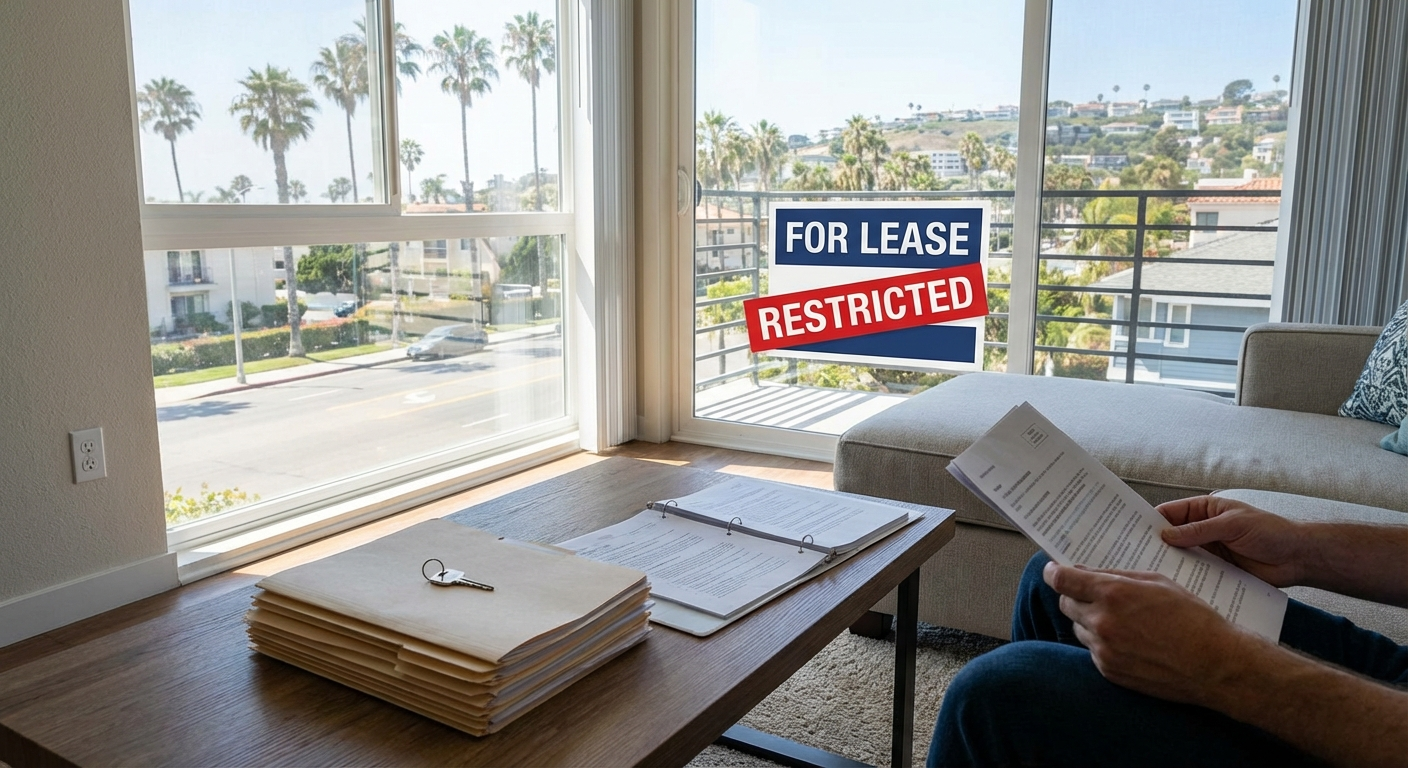
Navigating the Rental Restriction Minefield
So, you’ve decided to rent out your condo. Before you even think about listing it, there are a couple of non-negotiable steps.
Talk to Your HOA First
This sounds simple, but many people skip it. Don’t. Get a copy of the current CC&Rs and bylaws. Speak directly with the HOA board or management company. Ask about their rental policies, any caps, minimum lease terms, and application processes. Get it all in writing if you can. Ignoring your HOA’s rules could lead to fines, legal action, or even forced eviction of your tenant. Big difference.
Be Honest with Your Insurer
This is perhaps the most important piece of advice. If you have an HO-6 policy and you start renting out your unit without telling your insurance company, you’re playing a dangerous game. If a claim arises — say, your tenant’s dog bites someone, or there’s a water leak that damages the unit — your insurer could deny the claim because you misrepresented the occupancy. They might argue you never had the proper coverage in the first place. That would leave you on the hook for potentially tens or hundreds of thousands of dollars.
It’s always better to be upfront. Tell your agent your plans. They can help you transition from an owner-occupied HO-6 to a landlord policy. Yes, the premium will likely be higher. But that cost pales in comparison to the financial ruin of an uninsured loss.
The Cost of Renting: Expect Higher Premiums
Let’s be real: renting out your condo will almost certainly mean higher insurance costs. Why? More risk, as we discussed. Insurers price their policies based on the likelihood and potential cost of claims. A rental unit simply presents more of both.
California’s Prop 103, passed decades ago, regulates how insurance rates are approved. It requires insurers to justify rate increases to the Department of Insurance. While this offers some consumer protection, it also means that when insurers face higher losses (like from wildfires), they *need* to raise rates to stay in business. Those increases get spread across all policy types, including landlord policies. So, don’t be surprised if your new policy costs a good chunk more than your old HO-6.
When Things Go Wrong Without the Right Coverage
Imagine this: You’ve rented out your condo, but you just kept your old HO-6 policy, hoping for the best. A pipe bursts while your tenant is away for the weekend, causing extensive water damage to your unit and the unit below. The HOA’s master policy might cover the common elements and the structure, but your interior walls, flooring, and cabinets? Those are usually on you. Your HO-6 insurer denies the claim because you weren’t living there. Now you’re facing thousands in repair costs, potential liability for the downstairs unit, and no rental income. That’s a nightmare scenario, but it’s a real possibility without the proper coverage.
Getting the Right Advice
Understanding all these moving parts – HOA rules, different policy types, California’s challenging insurance market – can feel overwhelming. You don’t have to figure it out alone. Finding an experienced, empathetic insurance professional who understands California’s unique landscape is key.
Karl Susman of California Condo Coverage, CA License #OB75129, has helped countless Californians navigate these exact challenges. He knows the ins and outs of condo insurance, especially when rental restrictions and market changes are in play. He can help you understand your HOA’s master policy, assess your personal risk, and find the right non-owner occupied policy for your situation.
It’s about getting peace of mind. You want to make sure your investment is protected, whether you’re living in it or renting it out.
If you’re considering renting out your California condo, or if you already are and you’re unsure about your coverage, don’t wait. Protect your investment. Get a quote today and talk to an expert who can guide you through the process. Click here to get started with a personalized quote.
Frequently Asked Questions About Condo Rental Insurance in California
Q: Does my HOA’s master insurance policy cover my rental unit?
A: The HOA’s master policy usually covers the building’s structure, common areas, and liability for the association itself. It generally does NOT cover the interior of your individual unit (like your specific flooring, cabinets, or appliances), your personal belongings, or your personal liability as the unit owner/landlord. You absolutely need your own policy.
Q: Can my insurance company cancel my policy if they find out I’m renting my condo?
A: Yes, they can. If you had an owner-occupied HO-6 policy and you started renting out your unit without informing them, your policy could be canceled for misrepresentation. Worse, any claims you file could be denied, leaving you with no coverage for significant damages or liability.
Q: What if my HOA doesn’t allow rentals? Can I still get insurance for it?
A: You might be able to get insurance, but renting it out in violation of your HOA’s CC&Rs is a separate and significant problem. Your HOA could fine you heavily, take legal action, or even force your tenant to vacate. Always resolve the HOA issue *before* you rent, regardless of insurance availability.
Q: Is landlord insurance more expensive in California than in other states?
A: Generally, yes. California faces unique challenges like wildfires, earthquakes, and a complex regulatory environment (Prop 103). These factors, combined with a tightening insurance market, often lead to higher premiums for all types of property insurance, including landlord policies, compared to many other states.
Q: What’s the phone number for California Condo Coverage?
A: You can reach Karl Susman and the team at California Condo Coverage, CA License #OB75129, by calling (877) 411-5200 for expert advice and assistance with your California condo insurance needs.
Don’t let the complexities of condo rental restrictions and insurance keep you from protecting your investment. Get expert guidance and find the right coverage for your California condo today. Start your quote here.
This article is for informational purposes only and does not constitute financial advice.