Understanding Condo Insurance for California’s Historic Buildings
Buying a condo in one of California’s charming historic buildings? You’ve picked a place with character, a real piece of the past. But that character comes with its own set of insurance questions. It’s not just about covering your couch; it’s about protecting a slice of history, often with unique construction and specific challenges. Getting the right policy can feel like a maze, especially with California’s ever-changing insurance market. Don’t worry. We’re here to help you make sense of it all.
What You’ll Learn
- Why historic buildings need special condo insurance.
- How your HOA master policy works—and where it doesn’t.
- The specific risks California’s historic condos face.
- Key coverage types you absolutely need.
- How to shop for the best policy for your unique home.
Step 1: Get to Know Your HOA’s Master Policy
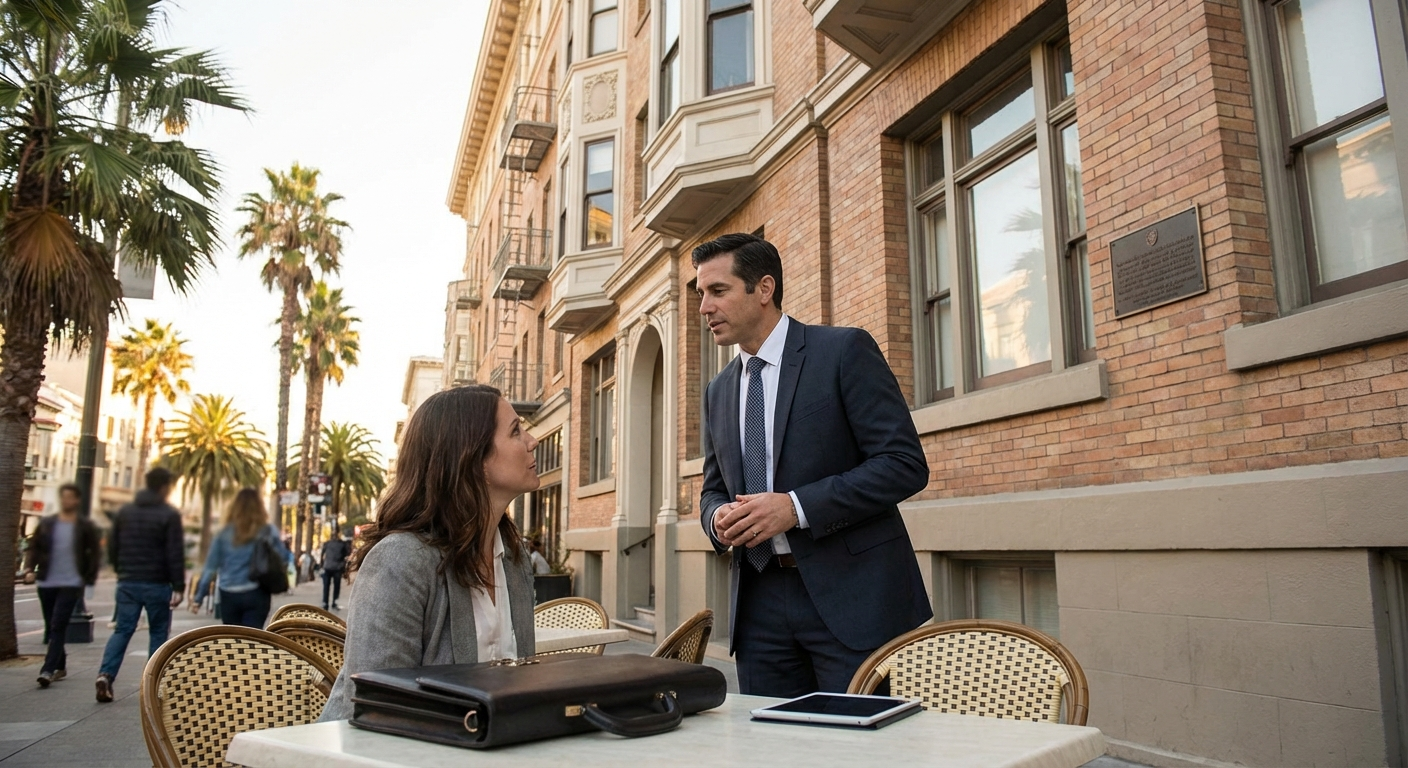
Most condo owners think their HOA’s insurance policy covers everything. Not always. This is the first, biggest misconception. Your homeowners’ association (HOA) does have a master policy, and it’s super important. But what it covers can vary wildly. Some HOAs have what’s called a “bare walls-in” policy. This means it covers the building’s structure, shared areas, and maybe even standard fixtures like original plumbing and electrical. But everything inside your unit, from the drywall to your fancy new kitchen cabinets? That’s on you.
Other HOAs might have a “all-in” or “single entity” policy. These are more generous. They might cover the permanent fixtures and appliances within your unit, even if you upgraded them. Still, your personal belongings and liability for accidents inside your home usually aren’t included. It’s a big difference. You need to get a copy of your HOA’s master policy and read it, or at least get a summary from the HOA board or management company. Ask them directly: “What exactly does the master policy cover inside my unit?” That answer will tell you what gaps your personal condo policy needs to fill.
Step 2: Recognize the Unique Risks of Historic California Condos
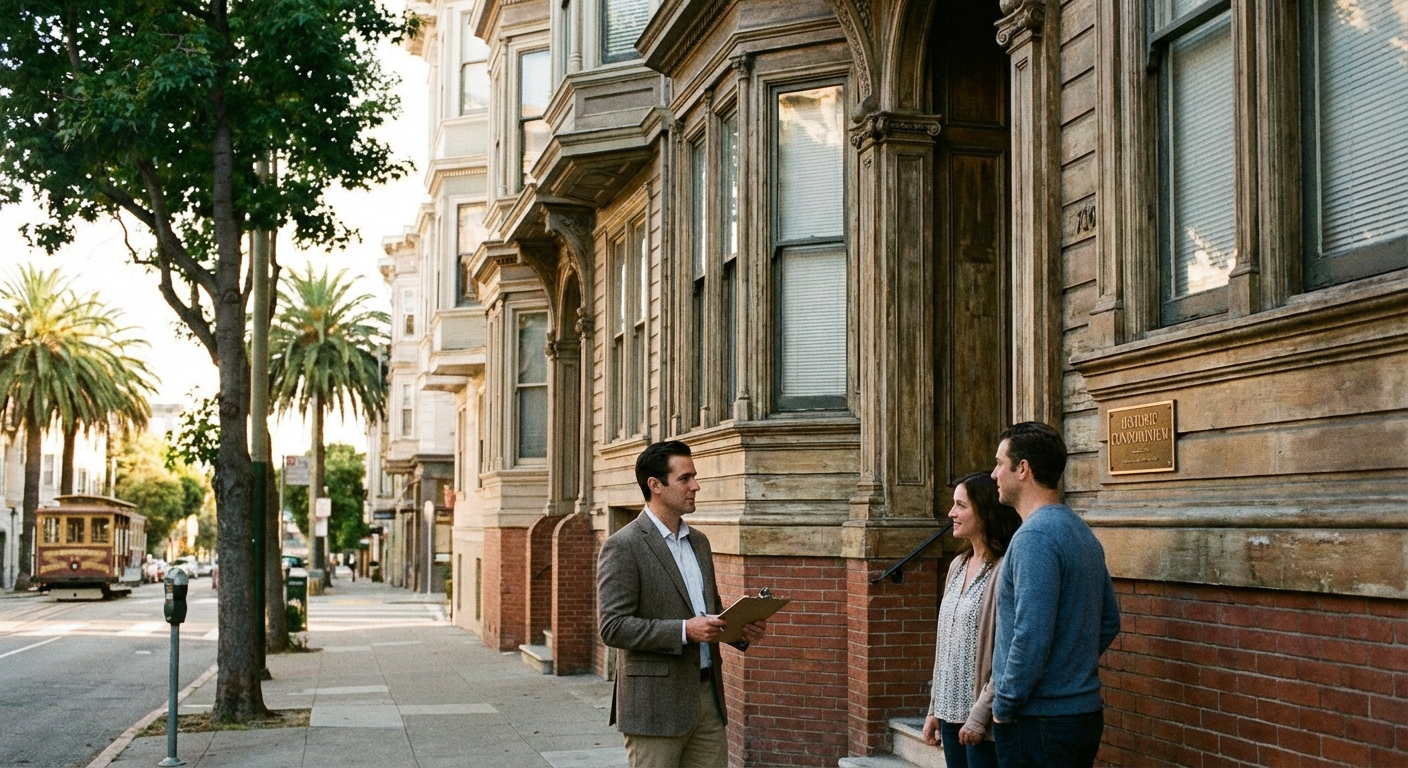
Owning a piece of California history is cool. It’s also a bit of a headache for insurance. Older buildings, say, those built before 1950 in places like San Francisco’s Nob Hill or downtown Los Angeles, present specific challenges. Their construction materials might be original plaster, old-growth timber, or unique brickwork that’s not easily replaced with modern equivalents. Think about a 1920s Art Deco building in Hollywood – finding matching period details for repairs can be expensive and time-consuming.
Here’s where it gets interesting. Many historic buildings have outdated systems. Old wiring, old pipes, and old roofs are more prone to issues. A burst pipe in a classic brick building in Pasadena could cause a lot more damage than in a new build. Plus, California’s specific hazards hit historic properties harder. Earthquakes, for instance. Many older buildings weren’t constructed with modern seismic retrofitting in mind. Even with upgrades, their structural integrity can be different. Brush fires, like the ones that threaten areas of Ventura County or the Oakland Hills, can devastate older structures built with more flammable materials. These aren’t just “risks”; they’re real, expensive possibilities.
Step 3: Understand Your Personal Condo Insurance (HO-6)
Once you know what your HOA covers, you’ll see why your personal HO-6 policy is so important. This is your safety net. It protects what the master policy doesn’t. Typically, your HO-6 covers a few key areas:
Coverage for the Interior of Your Unit (Dwelling Coverage)
This is where your HOA’s “bare walls-in” versus “all-in” policy really matters. If your HOA policy stops at the studs, your HO-6 needs to cover everything from the paint on the walls to the flooring, cabinets, and built-in appliances. For historic condos, this can get pricey. Why? Because if you need to replace original crown molding or repair a specific kind of plaster, the cost of matching those historic details can be much higher than standard drywall. You might need a policy with “ordinance or law” coverage. This helps pay for upgrades required by current building codes if your historic unit is damaged—something older buildings often face. A standard policy might not cover the extra expense of bringing a 1930s bathroom up to 2020s code after a flood.
Personal Property Coverage
This protects your belongings: furniture, clothes, electronics, artwork, and anything else you own inside your condo. Think about what it would cost to replace everything you own if a fire ripped through your unit. For many, it’s a shocking number. Make a home inventory. Take photos. It’ll make filing a claim so much easier.
Personal Liability Coverage
This is for when someone gets hurt in your condo, or if you accidentally cause damage to a neighbor’s unit. Say your antique bathtub overflows and floods the unit below. Your liability coverage could help pay for their repairs and any medical bills if they slipped on the water. It’s not just about your space; it’s about the domino effect in a multi-unit building.
Loss of Use (Additional Living Expenses)
If your historic condo becomes uninhabitable due to a covered loss, like a fire or major water damage, this coverage pays for your temporary living expenses. Hotel stays, meals, even laundry services. You’ll be glad you have it, especially if repairs on an older, specialized building take a long time – and they often do.
Step 4: Navigating California’s Insurance Market
California’s insurance market has been a roller coaster lately. Premiums for all kinds of property insurance, including condos, jumped 40% between 2022 and 2024 for many homeowners. Some insurers, like State Farm and AAA, have pulled back from offering new policies in certain high-risk areas, especially those prone to wildfire. Even Farmers has adjusted its offerings. This makes finding coverage for any property tougher, but particularly for historic buildings with their unique risks.
The good news? There are still options. But you might need to look beyond the big names. Sometimes, smaller, specialized carriers are more willing to underwrite older, unique properties. Don’t be surprised if your rates are higher than someone in a brand-new building in the Inland Empire. The age of the building, its construction, and its location (especially if it’s in a wildfire zone or near an earthquake fault line) all play a big part. The California FAIR Plan, which is the state’s “insurer of last resort,” might offer basic dwelling coverage if you can’t find anything else, but it’s usually not enough on its own. It’s often a bare-bones policy, and you’ll need to layer on a “Difference in Conditions” policy for broader coverage.
This is where an independent insurance agent really earns their keep. Someone who knows the California market inside and out can shop around for you. They can find carriers that specialize in older properties or those willing to take on properties in areas like the Valley that might have increased fire risk. Karl Susman of California Condo Coverage, CA License #OB75129, has helped many Californians find the right coverage for their unique homes. You can even call his team at (877) 411-5200 to get the ball rolling.
Step 5: Get a Quote and Compare Policies
Ready to get some actual numbers? You’ll need a few things handy. First, that HOA master policy summary. Second, details about your unit: square footage, the year the building was built, any recent renovations you’ve done (especially to plumbing, electrical, or HVAC), and a general idea of the value of your personal belongings. Third, be prepared to answer questions about the building’s overall condition, any retrofitting, and its proximity to fire hydrants or earthquake faults.
When you get quotes, don’t just look at the price. Look at the deductibles—how much you’d pay out of pocket before insurance kicks in. Check the coverage limits for dwelling, personal property, and liability. Make sure you understand any exclusions. Some policies might exclude certain types of water damage or mold, which can be a real concern in older buildings. It’s not just about finding the cheapest policy; it’s about finding the one that truly protects your historic investment.
The short answer is yes, you need condo insurance. The real answer is you need the right condo insurance, tailored to the specific quirks and charms of your California historic building. Don’t leave it to chance. Start by understanding your HOA, then consider your unique risks, and finally, shop smart. You’ll sleep better knowing your piece of history is well-protected.
Ready to see what options are out there for your historic California condo? Get a personalized quote today!
Frequently Asked Questions About Historic Condo Insurance in CA
Can I get earthquake coverage for an older condo?
Yes, you absolutely can. Earthquake damage isn’t usually included in a standard HO-6 policy. You’ll need to purchase a separate earthquake endorsement or a standalone policy. For older buildings, especially those not seismically retrofitted, these policies can be more expensive and have higher deductibles. But given California’s geology, it’s often a wise investment.
What if my historic building has specific architectural details that are expensive to repair?
This is a big one. Standard policies might only pay for “like kind and quality” using modern materials. For historic details, you’ll want to ask about “extended replacement cost” or “matching materials” endorsements. These can provide additional funds to cover the higher cost of replicating original craftsmanship, like ornate plasterwork or custom millwork. It’s a key conversation to have with your agent.
Will my insurance company require an inspection for an older building?
Quite possibly. Many insurers, especially for older or historic properties, will want to send an inspector to assess the building’s condition, particularly the roof, plumbing, and electrical systems. They’re looking for potential hazards or signs of deferred maintenance. Be prepared for this; it’s a normal part of the underwriting process for these unique homes.
My HOA just raised our master policy deductible. How does that affect me?
Big difference. If your HOA’s master policy deductible goes up, say from $10,000 to $25,000, that means in the event of a covered building-wide loss, the HOA has to pay more out of pocket before their insurance kicks in. Often, HOAs will pass these higher deductibles onto individual unit owners, especially if the damage originates in your unit. Your personal HO-6 policy might offer “loss assessment” coverage, which can help pay your share of that increased deductible or other special assessments from the HOA.
How can I find an agent who understands historic properties in California?
Look for an independent agent who works with multiple carriers, not just one. Someone with experience in the California market, particularly with older homes and condos, will know which insurers are more amenable to these properties. For instance, Karl Susman and the team at California Condo Coverage, CA License #OB75129, are well-versed in California’s specific challenges and can help you find options. You can reach them directly at (877) 411-5200 or get a quote online.
This article is for informational purposes only and does not constitute financial advice.