The Unseen Lifeline in Your Condo Policy: Medical Payments Coverage
Insurance forms feel like a foreign language sometimes, don’t they? All those terms and numbers, stacked up against each other, making your head spin. You just want to know you’re protected. You want peace of mind, not another puzzle to solve. For many California condo owners, one piece of that puzzle often gets overlooked, or maybe just misunderstood: medical payments coverage.
Honestly, it’s not the biggest, flashiest part of your HO-6 policy. It won’t cover a catastrophic fire or a massive lawsuit. But here’s the thing: it’s the quiet hero, the unsung workhorse for those smaller, everyday accidents that can still cause a surprising amount of stress and expense. Think of it as a safety net for minor injuries that happen in your home, designed to smooth things over quickly and gently.
What exactly is it? Simply put, medical payments coverage pays for medical expenses if someone other than you or your immediate family gets hurt in your condo or on your property. It doesn’t care whose fault it was. That’s the big difference. It’s about getting quick care for an unexpected bump, scrape, or twist, without all the fuss of determining blame.
Why “No Fault” Matters So Much in California
The “no fault” aspect is a really big deal, especially here in California. Imagine this: your friend is visiting your condo in Ventura County. They trip over a loose rug – maybe one you meant to fix last week – and sprain an ankle. Or perhaps a guest in your Inland Empire kitchen accidentally cuts their finger while helping you chop vegetables. Maybe a delivery person slips on a wet patch on your entryway tile. These things happen. They’re accidents.
Usually, when an accident happens, people start thinking about blame, about who’s responsible. That’s where liability insurance comes in. But liability claims can be messy, lengthy, and often involve lawyers. Medical payments coverage, though? It’s different. It steps in to pay for those immediate medical bills – an urgent care visit, an ambulance ride, a few stitches – regardless of whether you were negligent or not. It’s a goodwill gesture, really, a way to make sure your guest gets care without any awkward conversations or drawn-out legal battles.
This quick, no-questions-asked approach can save you a lot of headache. It prevents a small incident from snowballing into something much larger and more emotionally draining. And in a state where medical costs can climb faster than a brush fire up a canyon, even a minor injury can carry a hefty price tag.

What Medical Payments *Isn’t* — And Why That’s a Good Thing
Let’s clear up some common misunderstandings. Medical payments coverage isn’t your health insurance. It won’t cover *your* doctor’s visits or prescriptions. It’s strictly for your guests, or others who are injured on your property. Also, it isn’t your personal liability coverage. That’s for the much bigger claims, the serious injuries where someone might sue you for significant damages, claiming you were negligent.
Instead, medical payments is designed for those smaller, more immediate needs. Think of it as a financial first aid kit. Someone needs a tetanus shot after stepping on a nail? Med pay. A child falls off a chair and needs an X-ray to check for a broken wrist? Med pay. Your elderly neighbor trips over a potted plant on your patio and needs physical therapy for a few weeks? Again, medical payments can help cover those costs.
The beauty of it is its simplicity. It’s meant to be used quickly and efficiently. By covering these smaller, immediate expenses, it often keeps those minor incidents from escalating into larger, more adversarial liability claims. It’s a smart way to show care and responsibility without admitting fault or getting bogged down in legal complexities. That’s a huge relief, especially when you’re already concerned about someone’s well-being.
Typical Coverage Amounts: Don’t Skimp Here
When you look at your policy, you’ll see different limits for medical payments coverage. Often, you’ll find options like $1,000, $5,000, $10,000, or even $25,000. For most people, the instinct might be to choose the lowest amount to save a few dollars on their premium. But wait — this is one area where a little extra can go a long way.
Consider how quickly medical bills add up in California. An urgent care visit can easily be a few hundred dollars. An ambulance ride? That’s thousands, easy. A few stitches and follow-up care? You’re looking at a significant bill. A $1,000 limit might seem like enough until you actually have to use it. Many people find that $5,000 or even $10,000 provides a much more realistic cushion for today’s medical costs.
The difference in premium between a low limit and a more generous one is often surprisingly small. But the difference in peace of mind, and in preventing out-of-pocket expenses when an accident happens, is huge. It’s a modest investment for substantial protection against those frustrating, unexpected bills.
The HOA’s Master Policy vs. Your HO-6: Where Medical Payments Lives
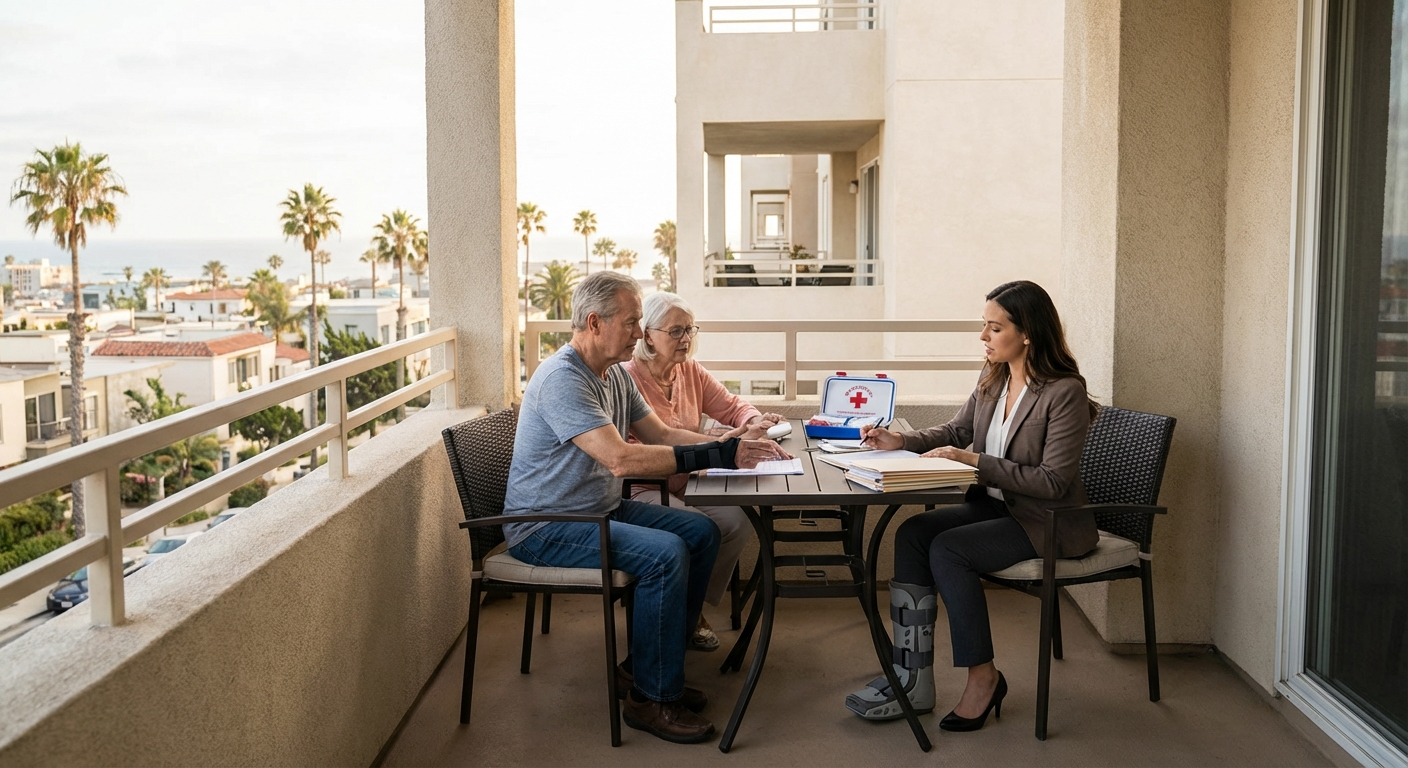
This is a common point of confusion for condo owners across California. Many assume that because they live in a condo with an HOA, the HOA’s master insurance policy covers everything. That’s not always true. The HOA’s master policy typically covers the common areas – the hallways, the gym, the roof, the exterior walls – and sometimes even the original fixtures within your unit. But it generally *doesn’t* cover injuries that happen inside your individual unit, or on your personal balcony or patio.
That’s where your personal HO-6 condo insurance policy comes in. Your HO-6 is designed to fill the gaps left by the master policy, covering your personal belongings, structural improvements you’ve made, and, critically, your personal liability and medical payments for incidents within your unit. If your friend slips on your rug in your San Francisco condo, the HOA’s policy isn’t going to help them with their medical bills. That’s your responsibility, covered by your HO-6 policy’s medical payments feature.
Understanding this distinction is key. Relying solely on the HOA’s policy for incidents inside your unit is a risky gamble. Your HO-6 is tailored to protect *you* and *your guests* within your personal space. It’s your individual shield against the unexpected.
The California Insurance Climate: Why Every Layer Counts Now
If you’ve been paying attention to the news, you know that California’s insurance market is, well, interesting right now. It’s definitely not business as usual. We’ve seen major carriers like State Farm and Farmers pull back from certain areas, or stop writing new policies altogether. Premiums have jumped – sometimes 40% between 2022 and 2024 for some folks. Even the FAIR Plan, our state’s insurer of last resort, has had to make changes.
This challenging climate means that every layer of protection in your policy matters more than ever. When it’s harder to get coverage, and costs are higher, preventing small issues from turning into big claims becomes incredibly important. A good medical payments limit can act as that first line of defense. It’s a way to quickly address minor injuries, keep them from escalating, and potentially avoid a liability claim that could affect your insurance record or even your ability to get coverage down the road.
In a market where insurers are being very selective, demonstrating that you have thoughtful, adequate coverage for various scenarios is just smart. It shows you’re proactive about managing risk, and that can only be a good thing for your long-term insurability and peace of mind.
Real-Life Scenarios: When Medical Payments Steps Up
Let’s imagine some specific situations where medical payments coverage truly shines. These aren’t far-fetched; they happen every day in condos across California.
Picture this: you’re hosting a small gathering in your condo in the Valley. Someone reaches for a snack, bumps a glass, and it shatters. A shard nicks their hand. It’s not a gaping wound, but it needs a few stitches. Your medical payments coverage can pay for that urgent care visit and the stitches, no questions asked. No need to involve your personal health insurance, or worry about who’s paying for what. It’s just handled.
Or maybe your elderly mother-in-law is visiting your Orange County unit. She takes a misstep on the rug in the living room and twists her ankle. She’s okay, but it swells, and she needs to see a doctor to make sure it’s not broken. Medical payments can cover the X-ray and the doctor’s visit, taking that immediate financial worry off everyone’s plate. You’re focused on her well-being, not the bill.
Even something as simple as a child scraping a knee badly on your balcony, or a friend getting a minor burn from your grill, can trigger this coverage. It’s for those unexpected, relatively minor medical needs that arise when someone is a guest in your home. It’s practical, direct, and incredibly helpful.
The Emotional Toll of an Accident — And How Med Pay Helps
Beyond the financial aspect, there’s a very real emotional toll when someone gets hurt in your home. You feel awful, right? There’s that immediate wave of guilt, concern for their well-being, and often, a little bit of panic about what comes next. Will they be okay? Will they blame you? What about the medical bills?
Medical payments coverage can alleviate a significant portion of that emotional burden. Knowing that you have a way to quickly and easily cover their immediate medical expenses allows you to focus on what truly matters: making sure your guest is cared for. It preserves relationships. You don’t want an accident to sour a friendship or create awkwardness with family members. By being able to say, “Don’t worry about the urgent care bill, my insurance will take care of it,” you demonstrate care and responsibility without creating a confrontational situation.
It’s about being prepared, yes, but it’s also about being a good host and a compassionate person. It’s a gentle solution for a potentially stressful situation, helping everyone move past the incident with less strain.
Getting the Right Coverage for Your California Condo
So, how do you make sure you have the right medical payments coverage for your California condo? It starts with your HO-6 policy. This isn’t usually something you buy separately; it’s an integral part of your condo insurance package. When you’re reviewing your policy, or getting a new quote, pay close attention to the limits offered for medical payments to others.
Don’t just pick the lowest number. Have a conversation about it. Think about the kind of foot traffic your condo sees, whether you have elderly relatives visiting, or if you often host children. A knowledgeable insurance professional, like Karl Susman at California Condo Coverage, can walk you through the options and help you decide on a limit that makes sense for your specific situation.
It’s always a good idea to review your policy annually, or whenever your life circumstances change. Maybe you’ve renovated, or you’re hosting more often. These are good prompts to check your coverage. If you’re feeling overwhelmed, or just want some expert guidance, reaching out is the simplest step. You don’t have to figure this out alone.
Ready to get a quote and make sure your condo is properly protected? Click here to get a quote today!
A Quick Word on Deductibles and Other Coverages
One nice thing about medical payments coverage is that it typically doesn’t have a deductible. Most other parts of your condo policy – like for damage to your property or contents – will have a deductible you pay before the insurance kicks in. Not so with medical payments. It pays from the first dollar up to your chosen limit, which really helps with those smaller, immediate bills.
Which brings up something most people miss. This coverage works in harmony with the other parts of your HO-6 policy. It’s a precursor, in some ways, to your personal liability coverage. If a guest’s injury is minor, medical payments can handle it. If it’s more serious, and you’re found to be at fault, then your personal liability coverage would step in for the larger damages, including pain and suffering, lost wages, and more extensive medical bills. It’s a layered approach to protection, giving you peace of mind from minor incidents to major ones.
Frequently Asked Questions About California Condo Medical Payments
Is medical payments coverage required by law in California?
No, it’s not legally mandated like auto liability insurance. However, it’s a strongly recommended component of your HO-6 condo policy. Most reputable insurers include it as a standard option, and for good reason. It’s a smart choice for any condo owner.
Does medical payments coverage apply to me if I get hurt in my own condo?
No, this coverage is specifically for injuries to guests or others who are not residents of your household. If you or a family member living with you gets hurt, your personal health insurance would be the primary coverage.
What if the injury is very severe and exceeds my medical payments limit?
If the medical bills or damages from an injury are substantial and go beyond your medical payments limit, then your personal liability coverage within your HO-6 policy would typically come into play. Medical payments often acts as a fast-track solution for smaller claims, potentially preventing the need for a larger liability claim.
Can I add medical payments coverage to an existing condo insurance policy?
Usually, yes. You can often adjust your medical payments limits during your policy renewal, or sometimes even mid-term. It’s always best to contact your insurance agent to discuss your current policy and explore your options for increasing or adding this coverage.
How does my medical payments coverage differ from my HOA’s master policy?
Your HOA’s master policy generally covers injuries in common areas (like a shared gym or hallway). Your HO-6 policy’s medical payments coverage, however, is specifically for injuries that happen within your personal condo unit or on your exclusive-use areas like your balcony. There’s a big difference. Don’t assume the HOA has you covered inside your own four walls.
Understanding these details can feel like a lot. But you don’t have to navigate the complexities of California condo insurance alone. Karl Susman and the team at California Condo Coverage are here to help. We’ve been helping Californians secure their homes for years, and we understand the unique challenges of the market, from the 2025 LA fires to the intricacies of Prop 103. We’re here to offer clear, empathetic advice.
For personalized guidance and to ensure your condo is truly protected, reach out. Our CA License #OB75129 is your assurance of our commitment to ethical, expert service. Give us a call at (877) 411-5200, or if you’re ready to get started now, don’t hesitate.
Get a condo insurance quote that fits your needs today.
This article is for informational purposes only and does not constitute financial advice.